
Legnini Group
Laboratory for Molecular and Systems Biology of RNA
The Legnini Group at Human Technopole combines molecular and systems biology approaches to study gene regulation.
We use synthetic biology and optogenetics to engineer cells and organoids with the aim of reproducing complex regulatory cascades, then apply integrative transcriptomic readouts to understand the principles of gene regulation, with a particular focus on post-transcriptional regulation of RNA.
For example, we apply single-cell and spatial transcriptomics to organoid models of neurodevelopment, where we perturb gene expression with spatio-temporal resolution using optogenetics and study the spatial patterning of gene expression in a complex cellular environment.
At the same time, we look into the molecular detail of RNA regulation, from processing to degradation, by using and developing high-throughput and high-resolution transcriptomic technologies and quantitative models of RNA metabolism. In this regard, we for example use long-read sequencing methods to study how the same gene produces different mRNAs, and how regulatory elements in mRNAs such as 3’UTRs and poly(A) tails impact on RNA abundance and function.
OPEN POSITIONS
We are constantly looking for skilled people! If you are interested in an internship, a PhD or postdoc position, please write to ivano.legnini [at] fht.org
Follow on Bluesky: @ilegnini.bsky.social
ALUMNI
- Antonio Astorino: Master student in Bioinformatics, University of Milan
- Sowmya Theegalapalli: PhD student in Proteome Dynamics, Max Delbrück Center, Berlin
- Nadja von Wiegen: Master student, Freie Universität Berlin
Group members
-
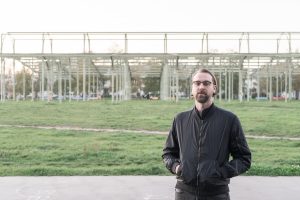 Ivano Legnini
Research Group Leader -
 Tiffany Misaida Griffone
Undergraduate Intern -
 Luciana Isaja
Postdoc -
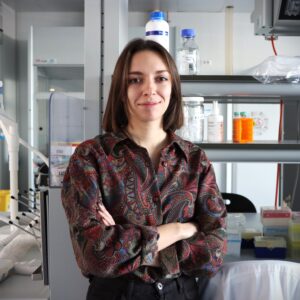 Ana Kotte
PhD Student -
 Fabio Marcuccio
Postdoc -
 Linda Masante
Postdoc -
 Ernesto Mucenji
Technician -
 Lucia Prandi
PhD Student -
 Branislava Rankovic
Postdoc -
Branislava Rankovic
Postdoc -
 Clara Rossi
PhD Student -
 Emanuele Secchi
PhD Student -
 Alessandra Zappulo
Senior Technician
Publications
-
07/2026 - Nature Methods
SpatioTemporal Omics Consortium: a global effort for biological discovery across species, space and time
In this Comment we introduce the SpatioTemporal Omics Consortium (STOC), a global, open network collaborating to integrate spatial and temporal omics across species, development, disease and evolution. The pace of innovation in spatial technologies has been extraordinary, rapidly transforming our ability to study biological systems within their native tissue environments. Throughout the history of biology, […]
-
07/2026 - BioRxiv
Insulin synthesis is sustained by Tent5 poly(A) polymerases
Insulin is an essential regulator of glucose homeostasis in vertebrates, and impairment of its synthesis or action leads to diabetes with severe health complications in humans. It is therefore essential to understand how beta cells control insulin synthesis and secretion, including the transcription, translation and decay of its messenger RNA. Using sequencing-based poly(A) tail length […]
-
06/2026 - BioRxiv
Genomic codes governing enhancer RNA fate
Long-read sequencing has transformed transcriptome profiling, yet capturing full-length, non-polyadenylated transcripts like enhancer RNAs (eRNAs) remains challenging. Here, we introduce CFC-seq, combining cap-trapping and in vitro poly(A)-tailing to sequence poly(A) and non-poly(A) RNAs with precise transcription start site. Paired with our assembler, SALA, we identified 39,425 novel transcriptional units, including ∼24,000 eRNAs. Our data reveal […]
-
01/2026 - BioRxiv
Genome Architecture Shapes Transcriptional Responses to DNA Supercoiling in a Multicellular Organism
DNA supercoiling is an intrinsic consequence of transcription that must be resolved to maintain proper gene expression. How DNA supercoiling shapes transcription dynamics in chromatinized animal genomes remains unclear. Here, we acutely depleted topoisomerases I and II in Caenorhabditis elegans and applied nascent transcription profiling, nuclear and total RNA-seq, histone modification mapping, and long-read sequencing […]
-
08/2025 - FEBS Letters
Regulation of mRNA metabolism in immune cells
Rapid activation of immune cells is critical for host defence. While transcriptional regulation is essential for initiating the immune response, emerging evidence highlights the role of post-transcriptional mechanisms in controlling the speed and intensity of the immune reaction. Splicing, polyadenylation, translation and decay are all regulated to fine-tune the expression of genes crucial for immune […]